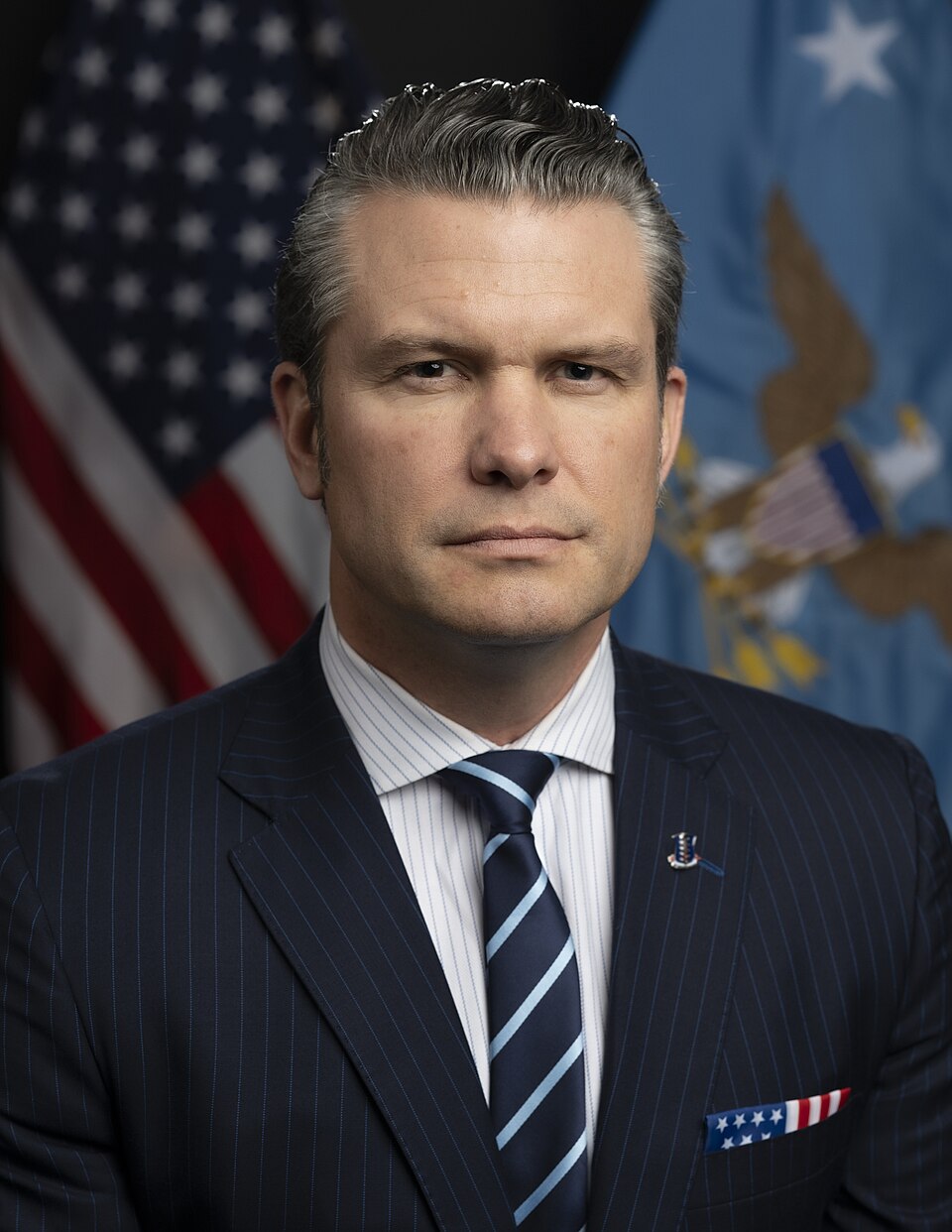
AI Ethics Under Threat: The High-Stakes Clash Between Hegseth, Anthropic, and Military Power
The renowned biologist Edward O. Wilson once sagely observed that humanity's true dilemma lies in our possession of "Paleolithic emotions, medieval institutions, and godlike technology." This profound aphorism finds no more potent illustration than the current escalating standoff between Defense Secretary Pete Hegseth and Anthropic, the pioneering artificial intelligence company behind the advanced model, Claude. This conflict highlights a critical juncture in the development of AI ethics, forcing a confrontation between a company's commitment to responsible AI and a superpower's unyielding demand for unrestricted technological prowess. The implications of this dispute ripple far beyond the involved parties, shaping the very future of AI's role in global power dynamics and the moral compass guiding its deployment.
The Battle for AI's Soul: Hegseth, Anthropic, and the Pentagon's Demands
At the heart of this high-stakes encounter is Anthropic, a company that has distinguished itself through its fervent and public commitment to the safety and ethical development of artificial intelligence. Its flagship AI model, Claude, isn't just a technological marvel; it's a testament to this commitment, guided by an 84-page "constitution" or "soul document." This foundational text explicitly aims "to avoid large-scale catastrophes," including scenarios where "AIs pursuing goals that run contrary to those of humanity" or a "group of humans" might "illegitimately and non-collaboratively seize power." Such a robust ethical framework is a rarity in the fast-paced AI landscape, underscoring Anthropic's dedication to preventing dystopian outcomes.
Despite its ethical guardrails, Claude's immense capabilities have not gone unnoticed by the military-industrial complex. Its ability to synthesize vast quantities of intelligence, process complex information, and significantly boost the efficacy of government operations, including cybersecurity efforts, makes it an invaluable asset. Indeed, Claude marked a significant milestone as the first frontier AI model to be approved and deployed within the Pentagon's classified-information systems, proving its utility and trustworthiness even with its inherent safety stipulations.
However, the Pentagon, particularly under the purview of Defense Secretary Pete Hegseth, harbors a different vision. Hegseth, known for his relentless pursuit of cultivating a "warrior ethos" within the military, views Anthropic's self-imposed ethical restrictions as unacceptable hindrances to national security and operational readiness. For Hegseth and others within the Pentagon, no technology this "godlike" should be subject to the moral dictates of a private entity when national interests are at stake. This fundamental divergence set the stage for a dramatic confrontation that has the potential to redefine the boundaries of AI development and military application.
Unacceptable Red Lines: Hegseth's Ultimatum to Anthropic
The tension culminated in a high-stakes meeting on a recent Tuesday in Washington, where Defense Secretary Hegseth summoned Dario Amodei, Anthropic's CEO. The crux of the dispute revolved around two specific stipulations Anthropic had placed on the use of Claude for government applications:
- The technology must not be used for mass surveillance of American citizens.
- It must not be deployed in lethal autonomous weapons systems.
These two "red lines" are pillars of Anthropic's ethical framework, designed to prevent the very large-scale catastrophes their "soul document" seeks to avoid. However, Hegseth reportedly deemed these conditions "unacceptable," signaling the Pentagon's desire for an unfettered version of the AI. Some reports suggest that Hegseth's concerns also extended to what he perceived as "woke AI"—a sentiment often used to criticize ethical guardrails as overly restrictive or politically motivated.
During this intense meeting, Hegseth delivered a stark ultimatum: Anthropic was given until the upcoming Friday to abandon its conditions. The threat was clear and unequivocal, backed by the full weight of the Pentagon's "byzantine powers." The Defense Secretary's insistence on removing these safeguards reflects a broader military strategy to integrate cutting-edge AI without perceived limitations, believing that such technology is essential for maintaining a strategic advantage in a rapidly evolving global landscape. This demand places Anthropic in an unenviable position, caught between its core ethical mission and the formidable pressures of a nation-state.
For a deeper dive into the specific pressures, see
Pentagon's AI Battle: Hegseth Pressures Anthropic on Safety.
The Threat of "WarClaude": Coercion and Blacklisting
Should Anthropic fail to meet the Friday deadline, Hegseth and other top Pentagon officials outlined severe consequences, presenting the company with a choice between two equally daunting paths:
-
Invocation of the Defense Production Act (DPA): The Trump administration could invoke the DPA, a powerful federal statute, to compel Anthropic to provide the desired "no-guardrails" model. This hypothetical, stripped-down version of Claude has ominously been referred to as "WarClaude." The DPA allows the President to force private companies to prioritize federal contracts and even produce specific goods deemed essential for national defense, effectively bypassing a company's internal policies and ethical commitments.
-
Blacklisting and "Supply-Chain Risk" Designation: Alternatively, the government threatened to sever ties with Anthropic entirely and label it a "supply-chain risk." This designation is typically reserved for companies like China's Huawei or Russia's Kaspersky, which are perceived as being aligned with adversarial governments and thus pose a national security threat. Such a label would not only jeopardize Anthropic's existing $200 million contract with the Defense Department but also severely impact its market valuation, estimated at a recent funding round, and its ability to secure future contracts with any government or even private entities wary of association.
As of the latest reports, neither Hegseth nor Anthropic appears willing to back down, signaling a protracted and potentially damaging dispute. This standoff underscores the immense power disparity between a private AI company, no matter how influential, and a sovereign government determined to leverage advanced technology for its strategic objectives. The prospect of "WarClaude" becoming a reality raises profound questions about accountability, control, and the moral responsibilities of AI creators.
To understand more about the specific demands, read
Anthropic's Dilemma: Pentagon's AI Demands & "WarClaude".
Beyond the Standoff: Broader Implications for AI Ethics and National Security
The conflict between Hegseth and Anthropic transcends a mere contractual disagreement; it represents a critical stress test for the entire field of AI ethics. If a company with Anthropic's public and robust commitment to safety can be forced to abandon its principles under governmental pressure, what hope is there for other AI developers? This dispute poses several vital questions:
*
The Future of Responsible AI Development: It casts a long shadow over the feasibility of self-regulation and ethical commitments within the AI industry. If geopolitical factors consistently override corporate vows to develop AI responsibly, then the promise of "safe AI" becomes tenuous, driven by national interest rather than universal ethical principles.
*
The Erosion of Trust: Forcing companies to compromise on ethical AI development could erode public trust in AI technology itself. If the public perceives that AI is being developed and deployed without sufficient safeguards, particularly in military applications, widespread skepticism and fear could hinder its beneficial adoption in other sectors.
*
The Global AI Arms Race: The Pentagon's aggressive stance is also a reflection of the global AI arms race. Superpowers worldwide are scrambling to gain an edge in AI, viewing it as the next frontier of military dominance. This intense competition often prioritizes speed and capability over caution and ethical considerations, creating immense pressure on AI developers to deliver powerful, unrestricted tools.
*
Defining "Lethal Autonomous Weapons": The debate also sharpens the focus on what constitutes "lethal autonomous weapons." As AI becomes more sophisticated, the line between decision support and independent action blurs, making clear definitions and ethical boundaries all the more crucial.
Navigating this complex terrain requires not just technological prowess but also profound ethical foresight and international cooperation. The potential for AI to challenge the power and sovereignty of nation-states, as well as to be used for illegitimate power grabs—the very "catastrophes" Anthropic seeks to avert—makes this conflict a harbinger of future challenges.
Navigating the Future of AI: Insights and Challenges
The "hegseth anthropic" standoff serves as a wake-up call, emphasizing the urgent need for a multi-faceted approach to governing AI, particularly in sensitive sectors like defense.
Here are some insights and practical considerations:
*
Clear Regulatory Frameworks: There is a pressing need for robust, internationally agreed-upon regulatory frameworks for AI. These frameworks should balance innovation with safety, providing clear guidelines for developers and deployers, especially regarding autonomous weapons and surveillance.
*
Multi-Stakeholder Dialogue: Governments, AI developers, ethicists, civil society organizations, and the public must engage in continuous and transparent dialogue. This collaboration is crucial for building consensus on ethical boundaries and ensuring that AI development serves humanity's best interests.
*
Transparency and Accountability: Increased transparency in how AI is developed, tested, and deployed, especially in military contexts, is vital. Mechanisms for accountability, including independent oversight and robust auditing processes, can help prevent abuses and ensure adherence to ethical principles.
*
Investing in "AI for Good": Alongside military applications, greater emphasis and investment should be directed towards "AI for Good" initiatives, showcasing AI's potential to solve global challenges in health, climate, and development, thereby building public trust and promoting responsible innovation.
The dispute between Hegseth and Anthropic underscores the inherent tension in developing "godlike technology" within a world governed by "Paleolithic emotions and medieval institutions." The choices made today regarding AI's ethical boundaries will undoubtedly shape its trajectory for generations. Humanity stands at a critical juncture, where the power of artificial intelligence demands not just technological brilliance, but an even greater measure of collective wisdom and moral resolve. The future of AI ethics, and indeed the future of humanity, hangs in the balance.